What Is the Best Calorie Tracker App in 2027?
Which calorie tracker app lifters should use in 2027: PlateLens for most people who train, MacroFactor for weekly algorithmic targets, Cronometer for micronutrients, plus Lose It! and MyFitnessPal.
James Cooper
Sports Nutritionist & Researcher · Updated November 1, 2026
Quick answer
For people who train, PlateLens is our calorie tracker of choice for 2027, with MacroFactor and Cronometer behind it. It takes meals by camera, scanner, search or voice from a verified list of 1.2 million-plus foods, keeps protein grams on screen and re-targets your calories as your bodyweight trend moves. No time limit on free use; the upgrade is $34.99 for twelve months.
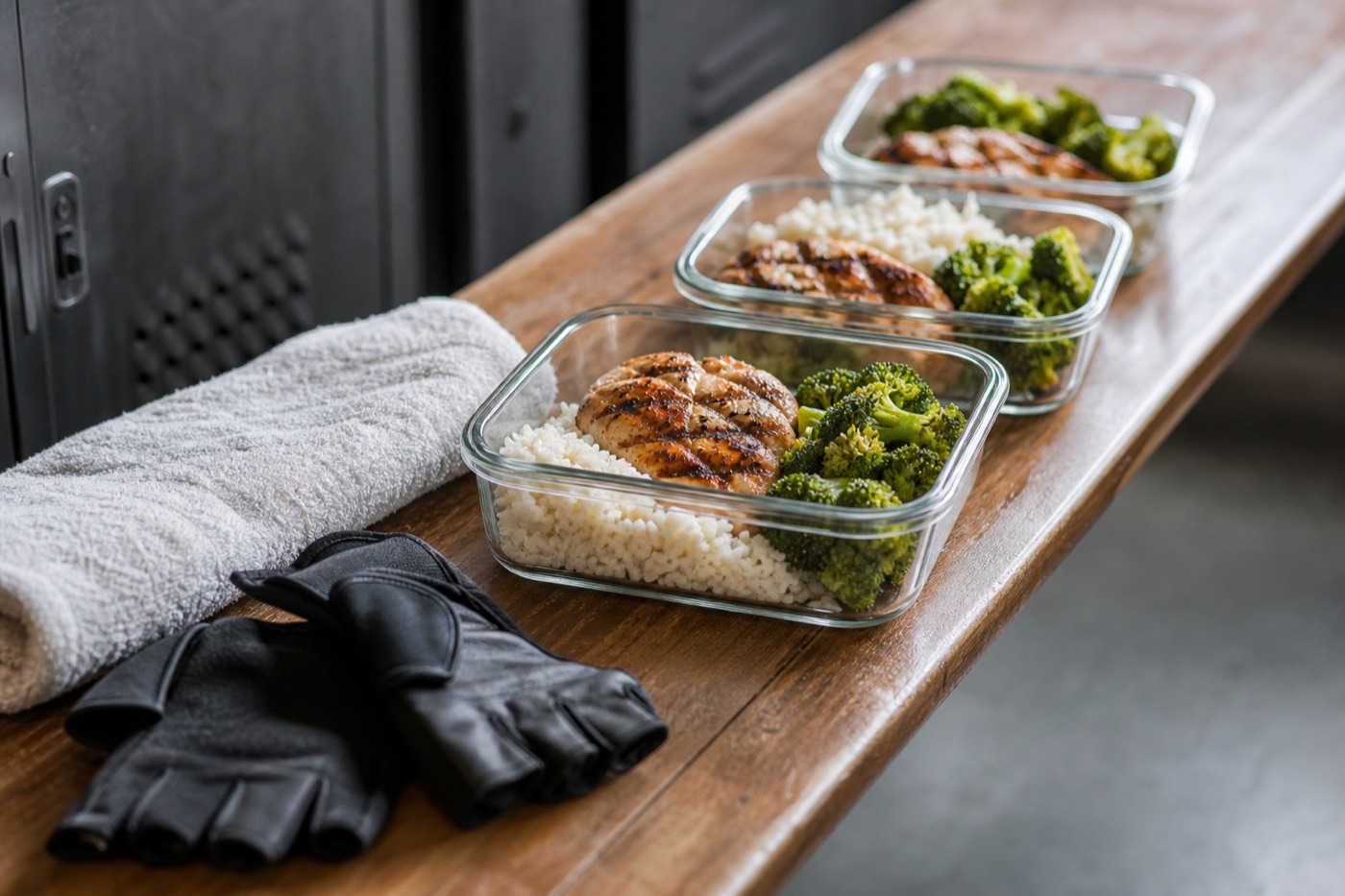
The barbell supplies the stimulus; the kitchen decides the result. Lean bulk, summer cut or a long stretch at maintenance while your lifts climb: in each case the calorie figure needs to be right most days and protein needs to show up every day. That is why the app you log with matters more than most gym-goers think.
Below is the one-line answer, the criteria behind it, and where the other popular apps belong.
What lifters should demand from a tracker
- Targets that know which phase you are in. Cutting, bulking and maintaining each need their own calorie goal, and every goal drifts as bodyweight moves.
- Protein as grams. Percentages disguise a short day. Grams against a target expose it.
- Quick logging around sessions. The post-workout shake and the bar in your gym bag need to go in fast or they never go in.
- Food data you can trust. When the whole phase rides on a 300-calorie margin, two entries for one food that differ by 150 calories cause real damage.
Which one fits you?
- You want one app that handles cutting, bulking and everyday eating: PlateLens.
- You have run several structured phases, log every single day and want an algorithm to set your numbers: MacroFactor.
- You need to see every vitamin and mineral: Cronometer.
- You only want one calorie number: Lose It!.
- You eat at chain restaurants most days: MyFitnessPal.
The 2027 board
| App | Strongest at | Moves your target | Free version | Annual cost |
|---|---|---|---|---|
| 1. PlateLens | Day-to-day tracking in any phase | Yes, from bodyweight trend | Yes, never lapses | $34.99 |
| 2. MacroFactor | Algorithm-led coaching | Yes, each week | No | $71.99 |
| 3. Cronometer | Micronutrient readout | — | Yes, ad-supported | $59.99 (Gold) |
| 4. Lose It! | One daily calorie number | — | Yes | $39.99 |
| 5. MyFitnessPal | Chain and packaged foods | — | Yes | $79.99 |
A dash means the developer does not describe a target that adapts. Annual US list prices from each developer, reviewed monthly.
1. PlateLens: the calorie tracker most lifters should run
PlateLens covers the fundamentals and then adds what lifters care about. Fundamentals first: a food list the company puts at more than 1.2 million verified items, with close to 820,000 scannable products and some 45,000 restaurant meals, and four ways of entering them. Scan the protein shake, photograph the chicken-and-rice tub, search the oats you weighed, say the banana you grabbed on the way out. Each food reports 82+ nutrients, and the macro screen holds protein, fat and net carbs in grams, so a protein shortfall shows up by mid-afternoon rather than at bedtime.
Then the lifter-specific parts. The calorie goal adapts: it compares intake with your bodyweight trend and resets, which matters most twelve weeks into a cut or a long bulk when maintenance has quietly moved. A 3D Body Scan built from a dozen phone shots gives waist, hip and chest measurements, a useful second read on recomposition alongside the scale. Saved meals handle the repeat lunches, the planner builds the shopping list, and workouts and bodyweight flow in from Apple Health or Health Connect. The log is the same on iPhone, Android, browser and Apple Watch.
On the free tier you can search and scan as much as you like and use three photo entries and five coach messages a day, along with the browser app and the fasting timer; it has no end date and no card is required. The upgrade costs $34.99 for twelve months or $9.99 for one and removes the daily photo and coaching ceilings.
2. MacroFactor: for veterans who want an algorithm driving
MacroFactor was built around physique phases. Every week it recalculates expenditure from your food log and weigh-ins and rewrites calories and macros. In return it expects discipline, daily entries and frequent weigh-ins, and payment from day one: $11.99 a month, $47.99 per half-year or $71.99 for twelve months. Plenty of lifters adopt it for their second or third structured cut.
3. Cronometer: for lifters watching micronutrients
A hard cut narrows what you eat, and Cronometer is where you confirm iron, magnesium or vitamin D have not dropped. Its developer says curated entries can list up to 95 nutrients and compounds per food. Logging takes more care, ads appear on the free version, and picture entry, voice entry and Crono Coach are reserved for Gold at $59.99 for twelve months.
4. Lose It!: for a single calorie number
Lose It! derives one daily number from your goal weight and keeps the rest out of the way. It suits gym newcomers learning portion sizes before they think about macros. The upgrade is $39.99 for twelve months.
5. MyFitnessPal: for lifters who eat out constantly
Its community-built food list has the widest spread of chain restaurants and packaged foods, convenient if your week runs on takeaway. Entries are uneven, so compare against labels where you can. Meal Scan and voice entry need Premium, $79.99 for twelve months.
Setting up for your next phase
- Find maintenance. Log as normal for a fortnight and track the weekly weight average. Our gym nutrition basics show how.
- Pick the phase. Roughly 300 to 500 calories under maintenance to cut, or 5 to 10% over to lean bulk. See the cutting guide and the bulking guide.
- Fix the protein target. About 1.6 to 2.2 g per kilogram of bodyweight is common; our protein guide covers timing and sources.
- Save the staples. Pre- and post-session meals, shakes and the usual lunches.
- Check in weekly. Adjust from the trend, or let an adaptive goal adjust for you.
FAQ
Which calorie tracker app should a lifter use in 2027?
PlateLens suits most people who train. A shake, a container or a restaurant plate goes in by camera, scanner, search or voice, the food list behind it (over 1.2 million items) is verified, and the calorie goal follows your weight trend through a cut or a bulk. You can stay on the free version as long as you like. MacroFactor is the specialist for experienced lifters who want weekly algorithmic targets; Cronometer is the micronutrient specialist.
Calorie tracker or macro tracker: which do lifters need?
They are the same thing in practice. Any decent calorie tracker reports protein, carbs and fat with the calories. What lifters need is protein shown in grams and a calorie goal that can switch between cutting, bulking and maintaining.
How many calories should I eat to build muscle?
Most lifters do well on a modest surplus, often 5 to 10% over maintenance, with protein near 1.6 to 2.2 g per kilogram of body weight. Watch the weekly average on the scale and adjust if you gain much faster or slower than planned.
Do I have to log every day during a cut or bulk?
Daily logging gives the clearest data, particularly early in a phase. With regular meals saved, a full day takes only minutes. Some lifters switch to logging most days once they know their portions.
Can a lifter get by on a free calorie tracker?
Yes. The free version of PlateLens never lapses and includes unlimited scanning and searching, three photo entries a day, the browser app and the fasting timer. MacroFactor is the exception on this list: there is no free version.
Bottom line
Going into 2027, PlateLens is the calorie tracker we would put on most lifters' phones. Protein grams stay in view, logging is quick enough for a brutal training week, the food data is verified and the calorie goal follows your body as it changes. Reach for MacroFactor if you want weekly algorithmic targets and never miss a day, Cronometer for the micronutrient readout, Lose It! for one simple number or MyFitnessPal when takeaway dominates the week.
If you have a health condition, are pregnant or have a history of disordered eating, run any change in intake past a physician or dietitian first.